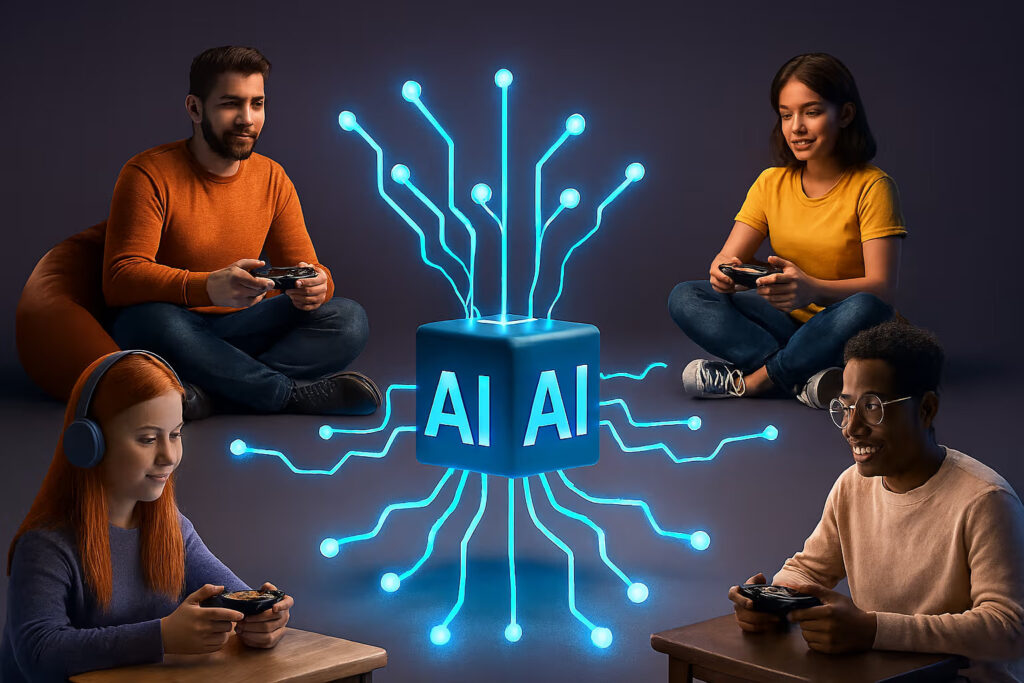
Players often find themselves returning to certain games long after they first tried them. Some come back because the game feels comfortingly familiar, while others are pulled in by fresh and exciting new experiences. This ongoing tension between nostalgia and novelty is one of the most powerful forces on social gaming platforms. Understanding which side wins more often reveals why some hits stay popular for months while others fade quickly.
Both nostalgia and novelty play important roles, but they work in very different ways. The best games manage to balance or alternate between the two, creating experiences that feel both comforting and exciting at the same time.
The Comfort of Nostalgia
Nostalgia works like a warm blanket in gaming. It brings back positive memories of early discoveries, funny moments with friends, or that first big achievement. Familiar mechanics, level layouts, and visual styles create an instant sense of belonging. Players know what to expect, which reduces stress and makes jumping back in feel effortless.
This comfort is especially strong on social gaming platforms. Returning to a beloved game often means reconnecting with the same group of friends. The shared history makes every session more enjoyable because inside jokes and past stories naturally resurface during play.
The Excitement of Novelty
Novelty, on the other hand, brings fresh energy. New mechanics, updated features, surprise events, or completely new game modes spark curiosity and motivation. Players return because they want to see what has changed or try something they have never experienced before.
In fast-moving online games, novelty prevents boredom. A game that feels too repetitive loses players, no matter how strong the original concept was. The right amount of novelty keeps long-time players engaged while also attracting curious newcomers.
Why Players Keep Returning
The real answer is rarely pure nostalgia or pure novelty. Most successful social gaming platform hits create a smart mix of both. They maintain a familiar core that feels safe and welcoming while regularly introducing new elements that surprise and delight players.
This balance explains why certain online games maintain strong communities for long periods. Players get the comfort of returning to something they love while still experiencing growth and discovery.
Finding the Right Balance
Games that rely too heavily on nostalgia eventually feel stale. Those that chase constant novelty can feel chaotic and disconnected. The strongest titles establish a recognizable identity early and then build upon it thoughtfully. They evolve without losing their soul.
This approach creates emotional attachment. Players feel like they are growing with the game rather than simply consuming new content.
A Game That Blends Both Worlds Beautifully
Stellar Drift is a perfect example of this balance. As a physics-based jetpack space flying game with gravity mechanics, asteroid dodging, and gem collection, it offers satisfying core gameplay that feels immediately familiar and fun. At the same time, regular updates, new cosmic regions, challenging asteroid patterns, and fresh jetpack abilities provide enough novelty to keep experienced players coming back for more. Many players return specifically because the game still feels like the one they fell in love with while offering new ways to fly, explore, and improve their skills.
The Social Factor in Nostalgia and Novelty
Playing with friends online adds another powerful layer. Nostalgia becomes stronger when you replay favorite modes with the same group. At the same time, trying new features or maps together creates shared excitement and fresh memories. This social element often becomes the main reason players stay loyal to specific games.
Group traditions, friendly competitions, and collective discoveries make returning to these hits feel like catching up with old friends rather than just playing a game.
How Viral Games Use This Balance
Many viral games explode because they nail the initial novelty, offering something fresh that spreads quickly through shares. However, the ones that last combine that initial spark with enough nostalgic comfort to keep players engaged after the hype fades. This combination turns short-term viral success into long-term platform favorites.
The most successful viral games understand that the first impression gets players in the door, but the right mix of familiar and new keeps them staying.
What Research and Player Behavior Shows
Observations on social gaming platforms show clear patterns. Pure nostalgia games tend to have dedicated but slowly shrinking communities. Pure novelty games attract large temporary crowds that disappear once the newness wears off. The strongest performers maintain steady player numbers by feeding both desires.
Players themselves often switch between wanting comfort and wanting excitement depending on their mood or available time. Games that satisfy both needs win loyalty across different situations.
Design Lessons from Long-Lasting Hits
Successful long-term games usually follow a few smart practices. They keep core controls and feel consistent while adding new content thoughtfully. They respect player time by making new features optional rather than forcing major changes. Most importantly, they listen to community feedback when deciding what to add or improve.
This thoughtful evolution creates trust. Players feel confident returning because they know the game will respect their past investment while offering new reasons to play.
Personal Connection and Identity
Beyond mechanics, many players return because the game becomes part of their identity. It represents specific friendships, certain life periods, or personal achievements. Nostalgia in this deeper sense becomes incredibly powerful. At the same time, novelty allows players to continue building new stories and memories within the same game world.
This personal connection often matters more than any single feature or update.
Practical Tips for Players
If you want to get more enjoyment from social gaming platform hits, try these approaches:
- Alternate between favorite nostalgic modes and new content
- Play with the same group regularly to strengthen shared memories
- Take breaks and return when new updates drop for maximum novelty impact
- Try different play styles on return visits to discover new sides of familiar games
- Share your favorite memories with newer players to spread the nostalgic feeling
These habits help you enjoy both the comfort of the past and the excitement of what is new.
The Future Balance on Social Platforms
As more online free games appear every day, the competition for player attention will only increase. The platforms and games that best balance nostalgia and novelty will likely see the strongest long-term success. Players want both comfort and excitement, and the best social gaming experiences will continue delivering both.
This balance represents one of the biggest opportunities and challenges for creators in the coming years.
Making the Most of Your Favorite Hits
Whether you are drawn more to nostalgia or novelty, recognizing what pulls you back helps you choose better games and enjoy them longer. The strongest social gaming platform understands this human need and delivers experiences that feel both timeless and fresh.
The next time you catch yourself returning to an old favorite or excitedly trying something new, remember that both feelings are valuable. The games that master this combination are usually the ones worth staying loyal to for the long run.