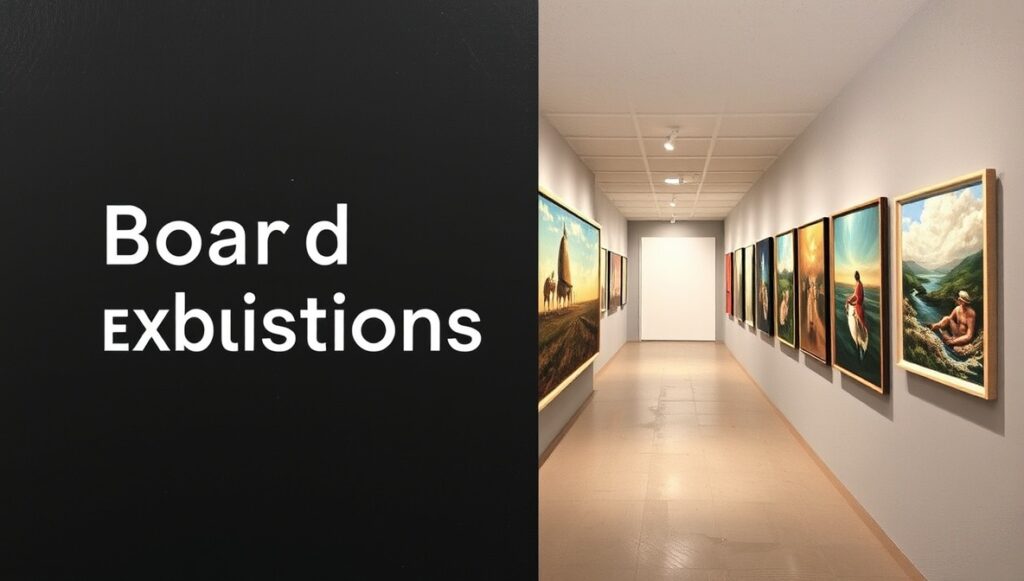
Walking into a genuinely great gallery space changes something in the body before the mind catches up, and this is exactly the sensation people describe after visiting exhibitions oil paintings arcagallerdate currently drawing collectors, students, and casual visitors alike. Rather than another routine survey of familiar names, these shows have been built around texture, light, and the physical weight of paint itself, something no screen or catalog photo can genuinely replicate.
What Makes These Shows Different
The philosophy behind exhibitions oil paintings arcagallerdate isn’t built around simply displaying pretty pictures for white walls. Renaissance oil painting remains the marathon event for both art and exhibition planners, and this approach means rigor every step of the way, theme, curation, environmental discipline, and documentation working together rather than existing separately.
Themes throughout these shows range widely: sweeping landscapes carrying real atmospheric depth, raw figurative pieces exploring identity, and abstract forms pushed forward through texture and motion. Some artists stay firmly anchored in classical technique, while others veer into genuinely unexplored visual territory. For anyone interested in process rather than just finished results, it’s a genuine field day, with brushwork inviting close inspection at every turn.
Depth Over Breadth: The Core Curatorial Principle
Perhaps the single most defining quality of exhibitions oil paintings arcagallerdate involves prioritizing depth over sheer volume of content. Rather than cramming as many pieces as possible into a single show, stronger exhibitions display sketchbooks, pigment samples, and X-ray or infrared studies of underpainting alongside finished works, giving visitors genuine insight into the labor behind each canvas.
Wall texts, digital displays, and catalogues increasingly detail layering technique, drying times, and pigment grind, reflecting genuine audience appetite for understanding method alongside myth. Where allowed, setting up a dedicated corner for live or video demonstration of oil mixing and brushwork discipline gives visitors direct insight into craftsmanship that finished canvases alone can’t fully convey. logicalshout news
Technique Takes Center Stage
One of the defining qualities of exhibitions oil paintings arcagallerdate involves its emphasis on visible process rather than polished mystery. Layers are evident throughout, glazing, impasto, wet-on-wet, and alla prima approaches all appear side by side, sometimes even within the same room.
| Technique | What Visitors Can Observe |
|---|---|
| Glazing | Slow, layered transparency built up over multiple sessions |
| Impasto | Thick, tactile paint application dragged sideways to catch light |
| Wet-on-wet | Bold, immediate blending applied in a single sitting |
| Alla prima | Direct, spontaneous painting completed quickly |
Underpainting is sometimes deliberately left visible for educational purposes, and exhibition notes supplement the visual experience with details on palette choices, drying time, and ground preparation. Serious viewers consistently crave this kind of insight into the build, not just the finished surface.
Standout Pieces Worth Knowing About
Exhibitions oil paintings arcagallerdate bring together a genuinely dynamic mix of painters who aren’t simply working within tradition, they’re actively reshaping it. A few pieces have consistently stopped visitors mid-step during opening previews:
- A thickly built impasto piece where paint was slapped on with a palette knife rather than a brush, creating a physical ridge that catches light sideways and throws its own shadow across the canvas.
- A sand-textured, scraped self-portrait that rewards patience, with details that only reveal themselves after standing still for thirty seconds or more.
- A glazed cityscape captured at dusk using alla prima technique, delivering an immediacy that feels almost photographic despite being entirely hand-painted.
- A backlit domestic scene, where hand-mixed cadmium yellow thinned with linseed oil bleeds into the glaze along the rim of a teacup, dragged once across wet underpainting.
One featured artist mixes her own linseed oil from scratch, saying it’s the only way to genuinely feel the weight of time within each layer. Her work circles back repeatedly to memory, not the kind you’d photograph, but the kind that carries a specific, almost sensory quality.
Why the Physical Experience Matters
Digital images flatten everything. They inevitably misrepresent scale, texture, and weight, which is precisely why exhibitions oil paintings arcagallerdate insist on being experienced in person rather than through a screen. Oil paint dries slowly, meaning artists can blend, scrape, glaze, and rework a single canvas for days or even weeks, and that accumulated depth simply isn’t something a photograph can convey.
A few practical viewing habits genuinely change the experience:
- Stand close, then step back. Texture reveals itself at close range, while composition and color relationships become clear from a distance.
- Adjust your angle. Shifting position by just a few inches changes how light catches ridges of built-up paint.
- Slow down deliberately. Spending several uninterrupted minutes with a single piece reveals far more than a quick pass through the room.
- Read wall text after looking, not before, so you form your own impression before absorbing curatorial framing.
Curatorial Philosophy Behind the Show
Each section of exhibitions oil paintings arcagallerdate assembles works around a core organizing idea rather than simply grouping pieces by chronology or artist name. Discipline consistently wins over maximalism throughout these shows: fewer works, sharper focus, and a tighter overall narrative rather than overwhelming volume.
This philosophy shows up in a few consistent curatorial choices:
- Careful sequencing that guides the viewer’s eye, opening with a foundational piece, building toward a climax, and closing with intentional restraint.
- Generous spacing between works, avoiding the visual clutter that dilutes impact and can even damage delicate surfaces over time.
- Anchor pieces placed strategically within each room, supported by smaller, quieter canvases that give the eye room to rest.
- Tested layouts, since curators typically try several different hanging arrangements before settling on the final version.
Lighting, Conservation, and Display Standards
Behind the visible artistry, exhibitions oil paintings arcagallerdate also reflect serious conservation discipline. Climate control, maintaining stable humidity and temperature, is treated as completely non-negotiable for the long-term preservation of oil work. Direct sunlight is avoided entirely, since UV exposure and excess heat can damage pigment and canvas over time.
Lighting decisions matter just as much as conservation. True white or daylight LED lighting is used throughout, since warm or hot bulbs can distort color perception and cause unwanted glare on richly textured surfaces. Angles are carefully adjusted to reduce sheen, since oil paintings respond very differently to light than acrylics or watercolors.
Planning Your Visit
Getting the most out of exhibitions oil paintings arcagallerdate benefits from a bit of advance planning. A few practical tips worth knowing before you go:
- Visit on weekday mornings when crowds are thinner and natural light hits key pieces most favorably.
- Watch for scheduled talks, since curator and artist Q&A sessions typically happen shortly after opening week and offer genuine insight beyond wall text.
- Bring water and plan for time, since rushing through the space significantly diminishes the experience compared to lingering with a handful of pieces.
- Check digital extensions, including online viewing rooms with high-resolution images and virtual walkthroughs for those unable to attend in person.
- Ask about guided or slow-looking tours, since spending extended, unhurried time in front of just a few paintings often reveals more than a rushed walkthrough of the entire show.
Frequently Asked Questions
What themes define this particular kind of exhibition?
These shows center on texture, light, and the physical presence of oil paint itself, spanning landscapes, figurative identity studies, and abstraction pushed through unconventional technique.
Is this kind of exhibition suitable for visitors without an art background?
Yes. The work is intentionally curated to connect on a human, emotional level first, meaning no formal art education is needed to genuinely engage with the pieces on display.
How long should I plan to spend at the gallery?
Most dedicated visitors spend at least an hour or two, though slowing down with just a few pieces for several uninterrupted minutes tends to be more rewarding than rushing through every room.
Why does the exhibition emphasize technique so heavily?
Understanding process, glazing, impasto, and layering, deepens appreciation for the finished work and reflects the broader philosophy that method matters as much as final appearance.
Does the gallery offer any digital or remote viewing options?
Yes. High-resolution online viewing rooms and virtual walkthroughs are typically available for those who can’t attend in person, though the physical experience remains difficult to fully replicate digitally.
Are guided tours available during the exhibition run?
Many shows of this scale offer guided tours in addition to standard walkthroughs, along with scheduled artist and curator discussions during and shortly after opening week.
Final Thoughts
Exhibitions oil paintings arcagallerdate represent something genuinely distinctive within the current gallery landscape: shows built on discipline, physical presence, and respect for the slow, layered nature of oil as a medium. From thickly built impasto to patient glazing technique, the work on display rewards visitors willing to slow down and actually look, rather than simply passing through.
For anyone considering a visit, the clearest advice remains simple: go in person, take your time, and let the texture and light do what no photograph or screen ever fully can. Whether you’re a seasoned collector or someone who’s never spent much time in a gallery, this kind of exhibition offers a genuinely rewarding reminder of why oil painting, centuries old as a medium, still has so much left to say.