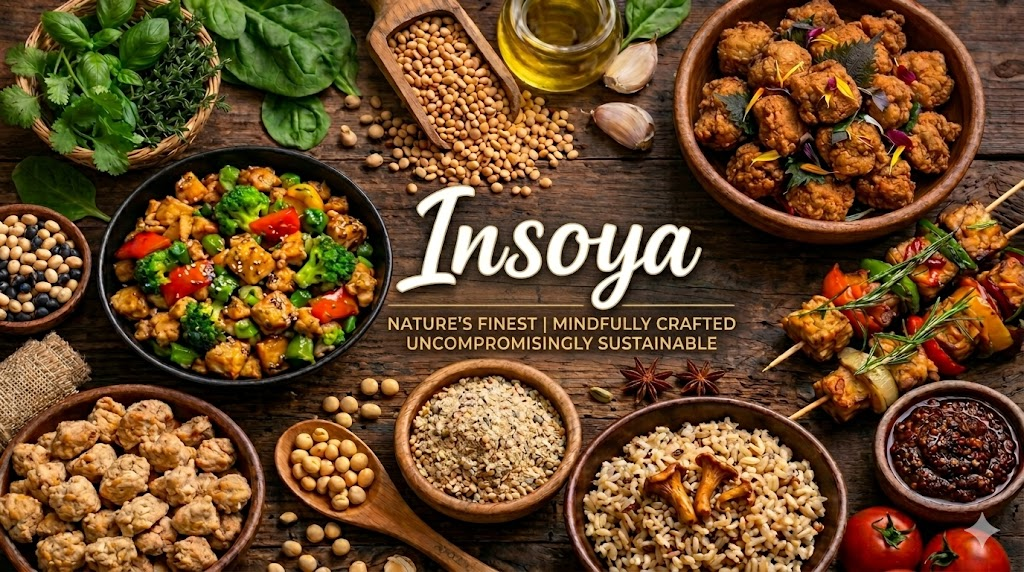
Insoya is transforming how millions of people think about plant protein — combining soybeans, modern food science, and sustainable nutrition into one powerful concept.
Plant-based diets are no longer a niche lifestyle choice. Across the globe, people are rethinking their relationship with food, moving away from animal-based products and toward ingredients that nourish the body while respecting the environment. Among the many innovations driving this shift, insoya has emerged as one of the most discussed and researched concepts in modern nutrition. It sits at the intersection of ancient soy wisdom and cutting-edge food technology, making it relevant to vegans, athletes, weight-conscious individuals, and anyone who simply wants to eat smarter.
This guide explores every dimension of insoya — from its meaning and origins, to its nutritional science, health benefits, culinary applications, environmental impact, and future in the global food industry. Whether you are encountering this concept for the first time or looking to deepen your understanding, this comprehensive resource will give you a full picture of what makes insoya such a compelling development in today’s food landscape.
What Is Insoya? Definition, Origin, and Meaning
To understand the significance of insoya, it helps to break down the word itself. The term combines “innovation” with “soya,” the common European term for soybeans. Together, these two elements reflect a simple but powerful idea: the reinvention of one of the world’s oldest and most nutritious plant foods using the tools and knowledge of modern food science.
Insoya is not a single product. It is best understood as a concept or category — one that encompasses a wide range of soy-derived food products and nutritional solutions designed for today’s health-conscious consumers. From protein powders and soy chunks to fermented tempeh and ready-to-drink beverages, insoya covers any soy-based food that has been developed, refined, or marketed with an emphasis on high quality, improved digestibility, and nutritional performance.
The naming convention of insoya reflects a broader trend in the food and wellness industry, where brands and concepts are crafted to sound global, clean, and aspirational. In a crowded market where consumers are bombarded with choices, a distinctive and meaningful name helps a concept cut through the noise. Insoya does exactly that — it signals modernity, plant-based credentials, and a commitment to science-backed nutrition in a single word.
Soybeans have been consumed in East Asia for more than two thousand years. Ancient Chinese, Japanese, and Korean cultures used soy as a cornerstone of their diets, creating foundational foods like tofu, miso, and soy sauce that are still beloved today. Insoya represents the latest chapter in this long history — one in which soy is no longer limited to traditional forms but is instead processed, fortified, and presented in ways that meet the demands of modern life.
The Nutritional Science Behind Insoya
One of the primary reasons insoya has captured so much attention from nutrition experts and health-conscious consumers is its remarkable nutritional profile. The foundation of insoya is soybeans, and soybeans are among the most complete and nutritionally dense plant foods on the planet.
Complete Protein: The Gold Standard of Plant Nutrition
Protein is essential to virtually every function in the human body — from building and repairing muscle tissue, to producing enzymes, hormones, and antibodies. For decades, animal products like meat, eggs, and dairy were considered the most reliable sources of complete protein, meaning they provided all nine essential amino acids the body cannot produce on its own.
Soybeans are one of the very few plant foods that deliver a complete amino acid profile. This means insoya offers the same foundational protein quality as animal-based sources, making it genuinely competitive in a nutritional sense. The nine essential amino acids found in insoya include leucine, isoleucine, valine, lysine, methionine, phenylalanine, threonine, tryptophan, and histidine — the full set required for muscle synthesis, tissue repair, immune function, and metabolic balance.
Depending on the specific product form, insoya can deliver approximately 40 to 55 grams of protein per 100 grams in its concentrated forms, such as soy protein isolate. Even in its more basic textured forms like soy chunks or granules, the protein content typically exceeds that of many animal products on a gram-for-gram basis.
Macronutrient and Micronutrient Breakdown
Beyond its impressive protein content, insoya provides a rich array of micronutrients that support overall health:
Fiber: Soy-based products are naturally high in dietary fiber, which plays a critical role in digestive health, the regulation of blood sugar levels, and the maintenance of healthy cholesterol. A diet rich in fiber is associated with reduced risk of colorectal conditions, improved gut microbiome diversity, and better long-term metabolic health.
Iron: Insoya is a meaningful source of non-heme iron, which is important for red blood cell formation and oxygen transport throughout the body. For individuals who do not consume red meat, soy-based iron provides a valuable alternative.
Calcium: Many insoya-based products contain calcium either naturally or through fortification. Calcium is essential for bone density, nerve transmission, and muscle function.
Magnesium: This often-overlooked mineral is present in substantial amounts in soy. Magnesium supports muscle contraction, energy metabolism, and the regulation of blood pressure.
Isoflavones: These naturally occurring plant compounds — also called phytoestrogens — are unique to soy and have been extensively studied for their role in supporting heart health, hormonal balance, and bone density. Genistein and daidzein are the most prominent isoflavones in insoya products.
Vitamins: Soy naturally contains B vitamins, particularly B1 (thiamine), B2 (riboflavin), and B6, which support energy production and nervous system function. Fortified insoya products may also contain B12 and vitamin D, making them even more nutritionally comprehensive for those following plant-based diets.
| Nutrient | Typical Amount per 100g (Soy Chunks) | Health Role |
|---|---|---|
| Protein | 50–55g | Muscle repair, tissue growth, immune function |
| Dietary Fiber | 3–5g | Digestion, blood sugar regulation, gut health |
| Iron | 9–12mg | Oxygen transport, red blood cell production |
| Calcium | 180–200mg | Bone strength, muscle contraction |
| Magnesium | 70–90mg | Energy metabolism, blood pressure regulation |
| Isoflavones | 80–150mg | Hormonal balance, cardiovascular support |
| Fat | 1–3g | Minimal; mostly unsaturated |
| Cholesterol | 0mg | Naturally cholesterol-free |

The Role of Fermentation in Insoya
One of the most significant developments in modern insoya production is the incorporation of fermentation technology. Traditional soy products such as tempeh and miso have always been fermented, and the results have long been understood to be beneficial. Modern insoya builds on this knowledge by applying controlled fermentation processes to improve a range of qualities.
Why Fermentation Matters
Raw or minimally processed soybeans contain certain compounds — particularly trypsin inhibitors, phytates, and oligosaccharides — that can interfere with nutrient absorption and cause digestive discomfort in some people. Fermentation, whether through lactic acid bacteria, Bacillus subtilis, or probiotic cultures like Lactobacillus plantarum, largely breaks down these antinutritional factors.
The result is a product that is significantly easier to digest. For people who have previously experienced bloating or discomfort from conventional soy products, fermented insoya often provides a smoother and more comfortable experience.
Beyond digestibility, fermentation also increases the bioavailability of key nutrients, meaning the body can absorb and utilize them more effectively. Branched-chain amino acids (BCAAs) like leucine, isoleucine, and valine — which are particularly important for muscle recovery and growth — become more readily available after fermentation. Research in sports nutrition increasingly supports the idea that properly fermented plant-based proteins can match whey or casein protein in terms of their ability to promote lean muscle mass and support post-exercise recovery.
Additionally, the probiotic cultures used in fermented insoya products contribute directly to gut microbiome health. A thriving gut microbiome is associated with improved immunity, better mental health, reduced inflammation, and more efficient digestion overall. In this way, insoya with probiotic fermentation goes beyond simple protein supplementation — it functions as a true functional food.
Health Benefits of Insoya
The health benefits of insoya are extensive and well-supported by nutritional science. Here is a detailed look at what regular consumption of insoya products can offer:
Muscle Growth and Recovery
The complete amino acid profile of insoya, particularly the presence of BCAAs, makes it an excellent choice for anyone looking to build lean muscle or recover from physical activity. Whether used in post-workout shakes, meal replacements, or everyday cooking, insoya provides the raw materials the body needs to repair and strengthen muscle tissue.
Heart Health
Cardiovascular disease remains one of the leading causes of death worldwide, and diet plays a major role in managing risk. Insoya supports heart health through multiple mechanisms. First, it is naturally free from cholesterol, which helps maintain healthy blood lipid levels. Second, the isoflavones in soy have been shown in numerous studies to help lower LDL (bad) cholesterol while supporting overall vascular health. Third, replacing saturated fat-heavy animal proteins with insoya reduces overall saturated fat intake, which is directly associated with improved cardiovascular outcomes.
Digestive Health and Gut Function
The high fiber content of insoya is a major advantage for digestive health. Fiber feeds beneficial gut bacteria, promotes regular bowel movements, and reduces the risk of constipation and gastrointestinal disorders. Fermented forms of insoya add an extra layer of benefit by introducing live probiotic cultures that actively support gut microbiome diversity.
Weight Management
Protein is the most satiating of the three macronutrients. Foods high in protein help people feel full for longer, which naturally reduces the likelihood of overeating or reaching for high-calorie snacks. Insoya delivers substantial protein content alongside fiber, creating a powerful combination for appetite control and calorie management. Its low fat content and absence of cholesterol make it compatible with virtually any calorie-conscious eating plan. beit bart
Blood Sugar Stability
The protein and fiber combination in insoya also plays an important role in blood sugar regulation. High-protein, high-fiber meals digest more slowly than those dominated by refined carbohydrates, leading to a more gradual and stable rise in blood glucose. This is particularly beneficial for individuals managing or seeking to prevent type 2 diabetes.
Bone Density
The calcium, magnesium, and isoflavone content of insoya contributes to bone health. Isoflavones, in particular, have been studied for their role in supporting bone mineral density, especially in postmenopausal women who are at increased risk of osteoporosis.
Skin and Hair Health
The protein, iron, and isoflavones in soy-based products nourish the body from the inside out. Protein is the structural building block of collagen, which maintains skin elasticity and firmness. Iron supports healthy circulation, which in turn nourishes skin cells and hair follicles. Many nutrition-conscious consumers now incorporate insoya into what might be called beauty-focused nutrition routines, understanding that what goes into the body has a direct effect on how the outside looks and feels.
Product Forms and Varieties of Insoya
One of the defining strengths of insoya is the remarkable range of product forms it encompasses. This versatility means there is an insoya product suitable for virtually every dietary preference, cooking style, and nutritional goal.
Soy Chunks
Soy chunks are perhaps the most iconic form of insoya in everyday cooking. These are made through a process called extrusion, in which soy protein flour is heated under pressure and shaped into porous, meat-like pieces. When soaked in water or broth, soy chunks rehydrate and expand, developing a chewy texture that makes them an outstanding substitute for chicken, lamb, or beef in curries, stews, and stir-fries.
Soy Granules
Smaller than chunks, soy granules cook more quickly and are particularly well-suited for dishes where a ground meat texture is needed. They work beautifully in pasta sauces, stuffed vegetables, grain bowls, and spiced rice dishes.
Soy Protein Isolate
This is the most concentrated form of insoya protein, typically containing 90 percent or more protein by weight with very little fat or carbohydrate. Soy protein isolate is commonly used in protein powders, ready-to-drink shakes, and meal replacement products. It dissolves well in liquids and has a relatively neutral flavor, making it easy to incorporate into a wide variety of recipes.
Textured Vegetable Protein (TVP)
TVP is a classic form of dehydrated soy protein that has been used in plant-based cooking for decades. It is inexpensive, shelf-stable, and easy to prepare by simply rehydrating with water or broth. TVP is widely used in tacos, chili, and meatless burgers.
Soy Milk
Soy milk is one of the most widely consumed insoya products globally. Rich in protein, fortified with calcium and vitamins, and naturally lactose-free, it serves as a one-to-one replacement for dairy milk in coffee, cereal, smoothies, and cooking.
Tofu
Tofu is made by coagulating soy milk and pressing the curds into solid blocks. It comes in silken, soft, firm, and extra-firm varieties, each suited to different culinary applications. Silken tofu works well in desserts, smoothies, and soups. Firm and extra-firm tofu are ideal for grilling, stir-frying, and baking.
Tempeh
Tempeh is a fermented soy food that offers particularly high protein content alongside a distinctive nutty flavor and firm texture. Because of the fermentation process, tempeh is easier to digest than most other soy products and contains natural probiotic cultures that support gut health.
Soy-Based Snacks and Supplements
The insoya category also includes soy-based protein bars, energy drinks, roasted soy nuts, and functional health supplements. These products are especially popular among athletes, fitness enthusiasts, and busy professionals looking for convenient, high-protein nutrition on the go.
How to Incorporate Insoya Into Daily Meals
One of the most practical arguments in favor of insoya is how naturally it fits into everyday eating. Its neutral flavor profile, ability to absorb spices and seasonings, and versatility across different cooking methods make it an accessible ingredient for home cooks at any skill level.
Breakfast Ideas
Starting the day with insoya is simple and satisfying. Blending soy milk into a fruit smoothie with banana, berries, and a handful of oats creates a nutritionally balanced breakfast that takes less than five minutes to prepare. Alternatively, soy protein powder can be added to pancake batter or oatmeal to significantly boost the protein content of a morning meal without altering the flavor noticeably.
Lunch Options
For lunch, tofu salad bowls have become a staple of health-conscious eating. Pressing and marinating firm tofu in lemon juice, garlic, tamari, and herbs, then roasting it until golden, produces a protein-rich topping that pairs beautifully with mixed greens, roasted vegetables, and a tahini dressing. Alternatively, soy granules can be spiced and used as a filling for wraps alongside fresh vegetables and hummus.
Dinner Recipes
Dinner is where the creativity around insoya truly shines. Soy chunks absorb the flavors of whatever sauce or broth they are cooked in, making them an outstanding base for curries, casseroles, and stews. A well-seasoned soy chunk curry with tomatoes, onions, ginger, garlic, and warming spices like cumin and garam masala is a dish that satisfies even those who are not typically drawn to plant-based eating. Stir-fried tofu with broccoli, bell peppers, snap peas, and a savory ginger-soy sauce is another crowd-pleasing option that comes together in under thirty minutes.
Snacks and Desserts
Roasted soy nuts are a convenient and protein-rich snack that can be seasoned with sea salt, smoked paprika, or chili flakes for variety. Soy yogurt parfaits — layered with granola, fresh fruit, and a drizzle of honey — make for a nutritious dessert or mid-afternoon snack. Silken tofu can also be blended into creamy puddings and mousse-style desserts with the addition of cocoa powder, vanilla, and a natural sweetener.
Insoya Versus Other Plant-Based Proteins
The plant-based protein market is crowded with options. Pea protein, hemp protein, rice protein, lentil protein, chickpea flour, and many others all compete for consumer attention. Understanding how insoya compares helps clarify why it holds such a prominent position in the market.
| Protein Source | Complete Protein? | Digestibility | Versatility | Sustainability |
|---|---|---|---|---|
| Insoya (Soy) | Yes | High (especially fermented) | Very High | High |
| Pea Protein | No (low methionine) | Moderate | High | High |
| Hemp Protein | Near-complete | Moderate | Moderate | Very High |
| Rice Protein | No (low lysine) | Moderate | Moderate | High |
| Lentil/Chickpea | No | Moderate (can cause gas) | High | High |
| Whey (dairy) | Yes | Very High | High | Low |
The table above highlights a key advantage of insoya: it is the only plant-based protein source that naturally provides a complete amino acid profile with high digestibility and broad culinary versatility. For individuals who cannot or choose not to consume dairy, insoya is the closest functional equivalent to whey protein — and in terms of environmental impact, it is significantly more sustainable.
Pea and hemp proteins, while valuable, are incomplete proteins that require combining with other sources to cover all essential amino acids. Rice protein lacks sufficient lysine. Lentil and chickpea-based proteins, while nutritious, can cause digestive discomfort in some people due to their oligosaccharide content. Insoya, particularly in its fermented forms, largely avoids this issue.
Sustainability and the Environmental Case for Insoya
The environmental argument for insoya is compelling and becoming increasingly urgent. The global food system is one of the largest contributors to climate change, deforestation, water depletion, and biodiversity loss — and animal agriculture is a primary driver of these impacts. Insoya offers a meaningful alternative.
Greenhouse Gas Emissions
Producing animal protein is significantly more carbon-intensive than producing plant protein. Beef production, for instance, generates roughly 20 times more greenhouse gas emissions per gram of protein than soy production. By shifting protein consumption toward insoya and other soy-based foods, individuals can meaningfully reduce their personal carbon footprint.
Water Consumption
Water scarcity is a growing global challenge. Livestock farming is extremely water-intensive — producing one kilogram of beef requires an estimated 15,000 liters of water. By contrast, producing a kilogram of soy protein requires a small fraction of that. Insoya’s relatively low water footprint makes it a responsible choice in a world where freshwater resources are under increasing pressure.
Land Use
Animal agriculture occupies a disproportionate share of the world’s agricultural land. Soybeans are a far more land-efficient protein source — a given area of land dedicated to soy production can yield far more grams of protein than the same land used for grazing livestock.
Non-GMO and Responsible Farming
A common consumer concern around soy relates to genetic modification. Many insoya products are made from certified non-GMO soybeans, and transparency around sourcing and farming practices is increasingly becoming a standard expectation in the insoya market. Responsible farming practices, including crop rotation and reduced pesticide use, further enhance the sustainability credentials of well-sourced insoya products.
Insoya in the Context of Global Food Trends
The rise of insoya is not happening in isolation. It is part of a larger and accelerating transformation in how the world produces and consumes food. Several major global trends are converging to drive demand for products like insoya:
The Plant-Based Revolution: The plant-based food market has grown exponentially over the past decade and shows no signs of slowing. Consumers across all demographics — not just vegans and vegetarians — are reducing their meat intake and looking for high-quality plant-based alternatives. Flexitarianism, the practice of eating mostly plant-based foods while occasionally consuming meat, has become one of the dominant dietary patterns of the 2020s.
Functional Food Innovation: Modern consumers do not simply want food that fills them up — they want food that actively improves their health. Functional foods are those designed to deliver specific health benefits beyond basic nutrition. Insoya fits squarely into this category, offering targeted support for muscle health, cardiovascular function, gut health, and more.
Digital Wellness Culture: Social media, health podcasts, fitness influencers, and wellness apps have collectively raised nutritional awareness to unprecedented levels. People now research what they eat more carefully than ever before, and concepts like insoya spread rapidly through these channels because they align with the values of informed, health-driven consumers.
Food Security: As the global population grows and climate change disrupts traditional agricultural systems, finding sustainable and efficient ways to feed the world becomes increasingly urgent. Soy-based nutrition, as embodied by insoya, is part of the broader answer to this challenge.
Safety, Considerations, and Who Should Approach Insoya With Caution
For the vast majority of people, insoya is a safe, beneficial, and highly nutritious addition to a balanced diet. However, as with any food, there are some considerations worth being aware of:
Soy Allergies: Soy is one of the eight major food allergens recognized by health authorities. Individuals with a diagnosed soy allergy should avoid insoya products entirely and carefully check ingredient labels for soy-derived components, which can appear under many different names.
Thyroid Conditions: Some research suggests that large amounts of soy isoflavones may interfere with thyroid hormone metabolism, particularly in individuals with pre-existing hypothyroidism. People managing thyroid disorders should consult a healthcare professional before making insoya a major staple of their diet.
Hormone-Sensitive Conditions: Because isoflavones can interact weakly with estrogen receptors, individuals with hormone-sensitive conditions — such as certain types of breast cancer — may be advised to moderate their soy intake. Again, personalized medical advice is essential.
Highly Processed Varieties: Not all insoya products are created equal. Some commercially available soy-based foods are highly processed and may contain added sugars, sodium, artificial flavors, or preservatives that diminish their nutritional value. Choosing minimally processed options with clean, transparent ingredient lists is always the best approach.
Children: Insoya can be part of a balanced diet for children, though whole food protein sources should also be included for nutritional variety. Soy infant formulas are considered safe by major health authorities when used appropriately.
For most healthy adults, moderate and varied insoya consumption — around 25 to 50 grams of soy protein per day — is associated with clear benefits and no known health risks. Diversity in diet remains the guiding principle: insoya works best as part of a varied, nutrient-rich eating plan rather than as a single-source protein solution.
The Future of Insoya in the Global Food Industry
The trajectory for insoya looks exceptionally strong. Analysts project that the global plant-based protein market will continue to grow at a compound annual rate of around 8 to 10 percent through the end of the decade. Soy protein, as the most nutritionally complete and versatile plant protein available, is expected to remain a central pillar of this growth.
Several exciting developments are shaping the future of insoya:
Precision Fermentation: Advances in fermentation biotechnology are enabling the production of insoya products with unprecedented control over flavor, texture, and nutritional composition. Precision fermentation allows food scientists to design soy-based products that taste better, digest more easily, and deliver more targeted health benefits than anything available today.
Fortification Innovation: The addition of nutrients like vitamin B12, vitamin D, omega-3 fatty acids, and zinc to insoya products is making them increasingly competitive with animal proteins in terms of comprehensive nutritional coverage. Future insoya products may be tailored to specific health goals, demographic groups, or dietary needs.
Sustainability Certification: As consumer demand for transparency grows, insoya brands that can demonstrate responsible sourcing, non-GMO status, and environmentally friendly production will hold a significant competitive advantage. Certification schemes and supply chain transparency tools are becoming standard expectations in the premium segment of the market.
Culinary Innovation: Chefs, food scientists, and home cooks are continuously discovering new ways to incorporate insoya into creative and delicious dishes. The growing library of recipes, cooking techniques, and flavor pairings associated with insoya will only expand, making it easier and more enjoyable for people around the world to adopt soy-based nutrition.
Frequently Asked Questions
What exactly is insoya and how is it different from regular soy?
Insoya refers to modern, often refined or fermented soy-based food products designed to offer superior nutrition, improved digestibility, and greater versatility compared to traditional whole soybeans. While regular soy requires lengthy soaking and cooking, insoya products come in convenient forms — chunks, powder, granules, or isolate — that are ready to use with minimal preparation. Many insoya products undergo fermentation or advanced processing to reduce antinutritional factors and improve protein bioavailability.
Is insoya a complete protein?
Yes. Soybeans contain all nine essential amino acids, making insoya one of the very few plant-based sources of complete protein. This makes it nutritionally comparable to animal proteins like meat, eggs, and dairy in terms of amino acid coverage.
Can insoya be eaten every day?
For most healthy adults, eating insoya daily is safe and beneficial. A general guideline is to consume around 25 to 50 grams of soy protein per day. People with soy allergies, thyroid conditions, or hormone-sensitive health issues should consult a healthcare professional for personalized guidance.
Is insoya good for muscle building?
Absolutely. The high protein content, complete amino acid profile, and particularly the presence of branched-chain amino acids in insoya make it an effective choice for muscle growth and recovery. Athletes and fitness enthusiasts regularly use insoya-based protein powders and foods as part of their training nutrition plans.
What is the difference between insoya chunks and soy protein isolate?
Soy chunks, also known as textured vegetable protein or TVP, are made from defatted soy flour and have a meat-like texture when rehydrated. They contain protein, fiber, and a range of micronutrients. Soy protein isolate, by contrast, is a highly concentrated form of soy protein — typically 90 percent or more protein by weight — with most of the fat and carbohydrate removed. Isolate is commonly used in protein shakes and supplements, while chunks are used in cooking as a meat substitute.
Is insoya environmentally sustainable?
Yes, significantly more so than animal-based proteins. Soy production requires far less land, water, and energy than livestock farming and generates substantially fewer greenhouse gas emissions. When sourced responsibly and from non-GMO crops, insoya represents one of the most environmentally friendly protein options available.
Can insoya help with weight loss?
Insoya can be a valuable tool in a weight management plan. Its high protein and fiber content promotes satiety, helping people feel full for longer and reducing the tendency to overeat. Its low fat content and absence of cholesterol make it compatible with calorie-conscious diets.
Does insoya contain gluten?
Pure soy-based insoya products are naturally gluten-free. However, some processed insoya products may be manufactured in facilities that also handle gluten-containing grains, or may have added ingredients that contain gluten. Individuals with celiac disease or gluten sensitivity should always check labels carefully.
How should insoya be stored?
Dried insoya products — such as soy chunks, granules, and protein powder — should be stored in airtight containers in a cool, dry place away from direct sunlight. Properly stored, they can last for many months without losing nutritional value. Fresh or refrigerated soy products like tofu and soy milk should be kept in the refrigerator and consumed within the timeframe indicated on the packaging.
Is insoya suitable for children?
In moderate amounts and as part of a varied diet, insoya is considered appropriate for children. Whole food sources of protein should also be included for nutritional diversity. Soy-based infant formulas are recognized as safe by major health authorities when appropriate for a child’s dietary needs.
Conclusion
Few food concepts capture the spirit of modern nutrition as cleanly and comprehensively as insoya. It brings together the ancient wisdom of soy cultivation, the precision of contemporary food science, and the urgent demands of a world seeking both personal health and environmental responsibility.
Insoya is not a fad or a fleeting trend. It is a response to some of the most pressing questions in food and nutrition today: How do we get enough protein without depending entirely on animal agriculture? How do we eat in ways that nourish us without depleting the planet? How do we make plant-based eating accessible, delicious, and practical for everyday life?
The answers that insoya provides are grounded in decades of nutritional research, supported by real-world culinary tradition, and aligned with the values of an increasingly health-aware and sustainability-conscious global population. Whether you choose insoya in the form of a post-workout protein shake, a fragrant tofu curry, a nourishing soy milk smoothie, or a plate of marinated tempeh, you are participating in one of the most important dietary shifts of the modern era.
The future of food is plant-powered, and insoya stands at the forefront of that future — offering proof that eating well, eating responsibly, and eating deliciously are not competing goals. They can, and with the right knowledge and ingredients, absolutely do go hand in hand.