
Few experiences in the art world compare to standing in front of a real, physical canvas. That is precisely the feeling behind oil paintings exhibitions arcagallerdate, where curation, craftsmanship, and presentation come together to create something a screen simply cannot replicate. From the texture of impasto brushwork to the way natural light shifts across a glazed surface, this guide explores what makes these exhibitions so compelling, and how they are built from the ground up.
What Makes Oil Painting Exhibitions Different
Oil paint behaves unlike any other medium. It dries slowly, allowing artists to blend, scrape, glaze, and rework a single canvas over days, weeks, or even months. That extended working time produces a physical depth that reproductions and digital images cannot capture. A brushstroke dragged sideways to catch light on a collarbone, or fifty layers of glaze built up over a single canvas, simply does not translate to a photograph.
This is the foundation of oil paintings exhibitions arcagallerdate: presenting work in a way that respects the physicality of the medium rather than flattening it into something meant to be scrolled past. The goal is not just to display finished pieces, but to reveal the process, discipline, and decision-making behind them.
Core Principles Behind a Strong Exhibition
Every well-curated show starts with a clear organizing idea. Without one, even technically excellent paintings fail to resonate as a collective experience. Curators typically build around a core theme — figuration, abstraction, light, time, or technical evolution — and every piece included must justify its place within that theme.
Key curatorial principles include:
- Depth over breadth — fewer works, sharper focus, and a tighter narrative outperform crowded galleries every time
- Sequencing — guiding the viewer’s eye from a foundational piece, toward a climax, and finally toward a moment of restraint
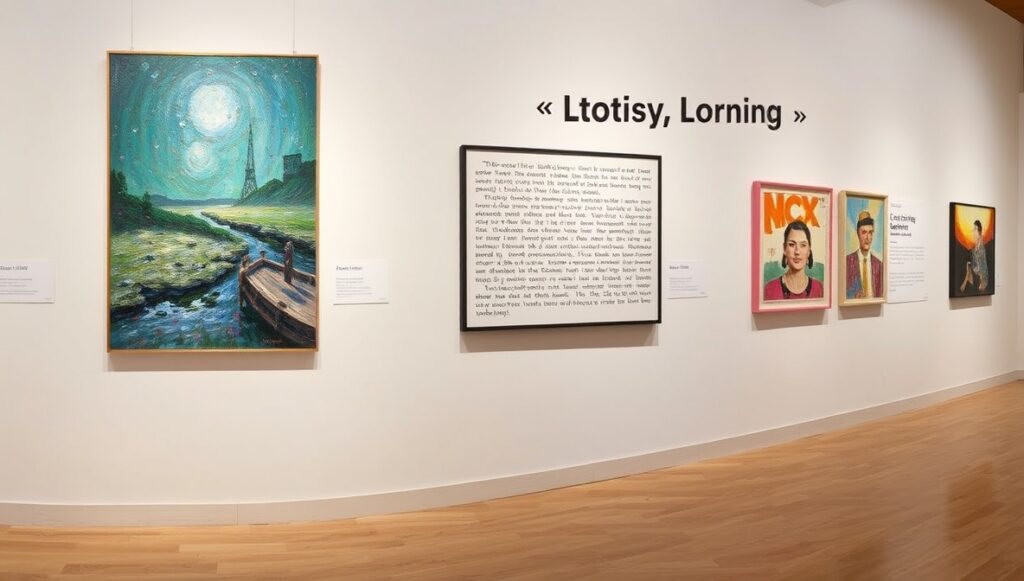
- Breathing room — avoiding “wallpapering,” where paintings are hung too close together, damaging both mood and long-term preservation
- Process transparency — showing sketches, underpainting, or pigment studies alongside finished work
When these principles are applied consistently, oil paintings exhibitions arcagallerdate become less about simply hanging canvases and more about constructing a complete visual and educational journey. how to get your paintings into a gallery arcagallerdate
Building the Exhibition Narrative
A strong show typically follows a deliberate structural arc rather than a random arrangement of available work. A common approach looks like this:
| Stage | Purpose | Example Approach |
|---|---|---|
| Foundation | Introduce the theme | A minimal, grounding piece that sets tone |
| Development | Build complexity | Works showing technical range and evolution |
| Climax | Peak visual impact | A signature or large-scale anchor piece |
| Quiet Pause | Give the eye rest | A muted, smaller-scale composition |
| Closing Beat | End with restraint | A simple, disciplined final work |
This kind of sequencing transforms a room of paintings into a guided experience, which is exactly what separates a memorable exhibition from a simple display of framed canvases.
Lighting, Climate, and Conservation
Because oil paintings are physically delicate and sensitive to environmental conditions, technical planning matters just as much as artistic curation. Poor lighting or unstable humidity can damage a painting permanently, sometimes within days.
Best practices commonly followed include:
- Using true white or daylight-balanced LED lighting with high color rendering, avoiding warm yellowing or heat damage
- Never allowing direct sunlight or hot incandescent bulbs near canvases
- Maintaining stable humidity, typically around 50 percent, alongside a controlled temperature range
- Adjusting lighting angles to reduce glare and surface sheen, since oil responds differently to light than acrylic or watercolor
- Securing every piece with anti-theft mounting and wall studs rated for the weight of the work
Conservation-conscious planning is one of the defining features of oil paintings exhibitions arcagallerdate, where the long-term stability of lent or archival works is treated as seriously as the visual presentation itself.
Hanging, Height, and Spacing Standards
Correct installation height and spacing significantly affect how a painting is experienced. Most professional galleries follow a fairly consistent standard:
- Center major works at approximately 58 to 62 inches from the floor, adjusted for room size and ceiling height
- Anchor rooms with a signature piece, using smaller or quieter canvases to create visual rest between larger works
- Test multiple layout configurations before finalizing the hang
- Double-check all hardware and wall anchors after installation is complete
Frames are typically chosen to complement rather than compete with the artwork itself, with many modern shows favoring thin, minimal edges or floating mounts that keep the focus on the brushwork.
Educational and Interactive Elements
Modern audiences increasingly want to understand the “how” behind a painting, not just admire the finished result. This has shifted the way many exhibitions are designed, with education woven directly into the visitor experience.
Common educational features include:
- Wall texts or digital displays explaining layering, drying times, and pigment composition
- Live or recorded demonstrations of oil mixing and brushwork technique
- QR codes linking to artist interviews, process videos, or extended catalogue notes
- Guided tours and scheduled Q&A sessions with curators or exhibiting artists
- Printable study guides and programs designed for schools, students, and amateur painters
This educational layer is a defining feature of oil paintings exhibitions arcagallerdate, where technique and process are treated as part of the exhibition itself rather than an afterthought buried in a catalogue.
Digital Extensions Without Losing the Physical Experience
While technology plays a growing role, most curators are careful to treat digital tools as a complement rather than a replacement for the in-person experience. Virtual walkthroughs, high-resolution online viewing rooms, and narrated video deep-dives all help extend a show’s reach, but they are typically positioned as an entry point that encourages a physical visit rather than a substitute for one.
Common Mistakes to Avoid
Even well-intentioned exhibitions can fall short when basic discipline slips. Some of the most frequent issues include:
- Overcrowding — cramming too many paintings into a single room, which damages both focus and preservation
- Overwritten wall text — dense, academic language that prioritizes sounding sophisticated over actual clarity
- Weak conservation routines — allowing a lent painting to sit at risk for the sake of a short-term show
- Missing contingency planning — no clear insurance, climate control, or emergency exit strategy for valuable pieces
Avoiding these pitfalls is a recurring theme across successful oil paintings exhibitions arcagallerdate, where discipline and preparation are treated as inseparable from artistic vision.
How to Experience an Exhibition as a Visitor
Attending a show thoughtfully makes a significant difference in how much a visitor actually takes away from the experience. Rather than moving quickly from piece to piece, slowing down tends to reveal far more.
A few practical tips for getting the most out of a visit:
- Stand in front of a single painting for at least a minute or two before moving on
- Look at the brushwork first — is it thick, dragged, or flicked — before reading any accompanying wall text
- Change your viewing angle slightly to see how light interacts with the surface texture
- Visit during different times of day if possible, since natural light can dramatically change how a piece reads
- Attend artist talks or guided tours when available, since they often reveal details that wall text alone cannot convey
This kind of attentive, unhurried viewing is exactly what curators aim to encourage when designing oil paintings exhibitions arcagallerdate, since rushed visits tend to flatten the experience into something closer to scrolling through images online.
Why These Exhibitions Continue to Matter
In an age dominated by digital images and endless scrolling, physical exhibitions offer something increasingly rare: unmediated contact with an artist’s actual decisions. A digital photograph can show color, but it cannot show weight, texture, or the subtle way light catches a ridge of dried paint. Standing in front of the real canvas restores a sense of scale and presence that no screen can replicate.
This is ultimately the deeper purpose behind oil paintings exhibitions arcagallerdate — not simply displaying finished work, but creating a space where visitors can genuinely slow down, look closely, and understand what it took to bring a piece from blank canvas to finished statement.
Frequently Asked Questions
What should I look for when visiting an oil painting exhibition?
Focus on brushwork texture, layering, and how light interacts with the surface. Reading wall text after looking closely at the piece itself often leads to a more meaningful experience than reading first.
How are exhibition themes typically chosen?
Curators usually select a single unifying idea — such as light, technique, or a stylistic evolution — and build the entire selection of works around defending that theme, rather than simply showcasing available pieces.
Why is lighting so important for oil paintings?
Oil surfaces respond differently to light than other mediums, and poor lighting can cause glare, color distortion, or long-term heat damage. Daylight-balanced LED lighting is the standard approach for protecting both visual clarity and the physical painting.
Are digital tools replacing in-person exhibitions?
No. Most curators use digital extensions like virtual tours or online catalogues as a way to extend reach and generate interest, while still treating in-person viewing as the primary experience, since texture and scale cannot be fully replicated on a screen.
How far apart should paintings be hung in a gallery?
Spacing depends on room size and painting scale, but the general principle is to give each piece enough breathing room that it can be viewed individually without visual competition from neighboring works.
Final Thoughts
Behind every successful show lies a combination of curatorial discipline, technical precision, and genuine respect for the physical nature of oil paint. From theme selection and sequencing to lighting, conservation, and visitor engagement, every decision shapes how a painting is ultimately experienced. Oil paintings exhibitions arcagallerdate demonstrate that a great show is never accidental — it is built through careful planning, tested layouts, and a consistent focus on depth over volume. For visitors willing to slow down and look closely, these exhibitions offer something screens simply cannot: the chance to stand in front of real paint, real light, and real presence, and see exactly what years of practice and patience can produce on a single canvas.